

Freedom Delayed, But Never Surrendered
On Juneteenth, Atlanta Black Pride reflects on a freedom that was withheld, won, and still being fought for — for all of us.

There is a particular kind of cruelty in being free and not being told.
On January 1, 1863, the Emancipation Proclamation declared that enslaved people in the Confederate states “shall be” free. But a proclamation is only words on paper without the power to enforce it. For more than two years, in the deepest corners of the South, that freedom existed in theory while bondage continued in fact. People were bought, sold, beaten, and worked — legally emancipated, practically enslaved — because the news, and the force behind it, had not yet arrived.
Then, on June 19, 1865, Major General Gordon Granger rode into Galveston, Texas, and issued General Order No. 3: that all enslaved people in Texas were free, and that the relationship between former enslavers and the formerly enslaved would now be one “between employer and free laborer.”
Freedom delayed. But never surrendered.
That is what we remember on Juneteenth.
The history we carry
Galveston was the last stronghold. Texas had become a destination for enslavers fleeing the advancing Union Army, dragging tens of thousands of enslaved people with them, far from the front lines and far from word of their emancipation. When freedom finally came, it came to roughly a quarter of a million people who had been kept in the dark on purpose.
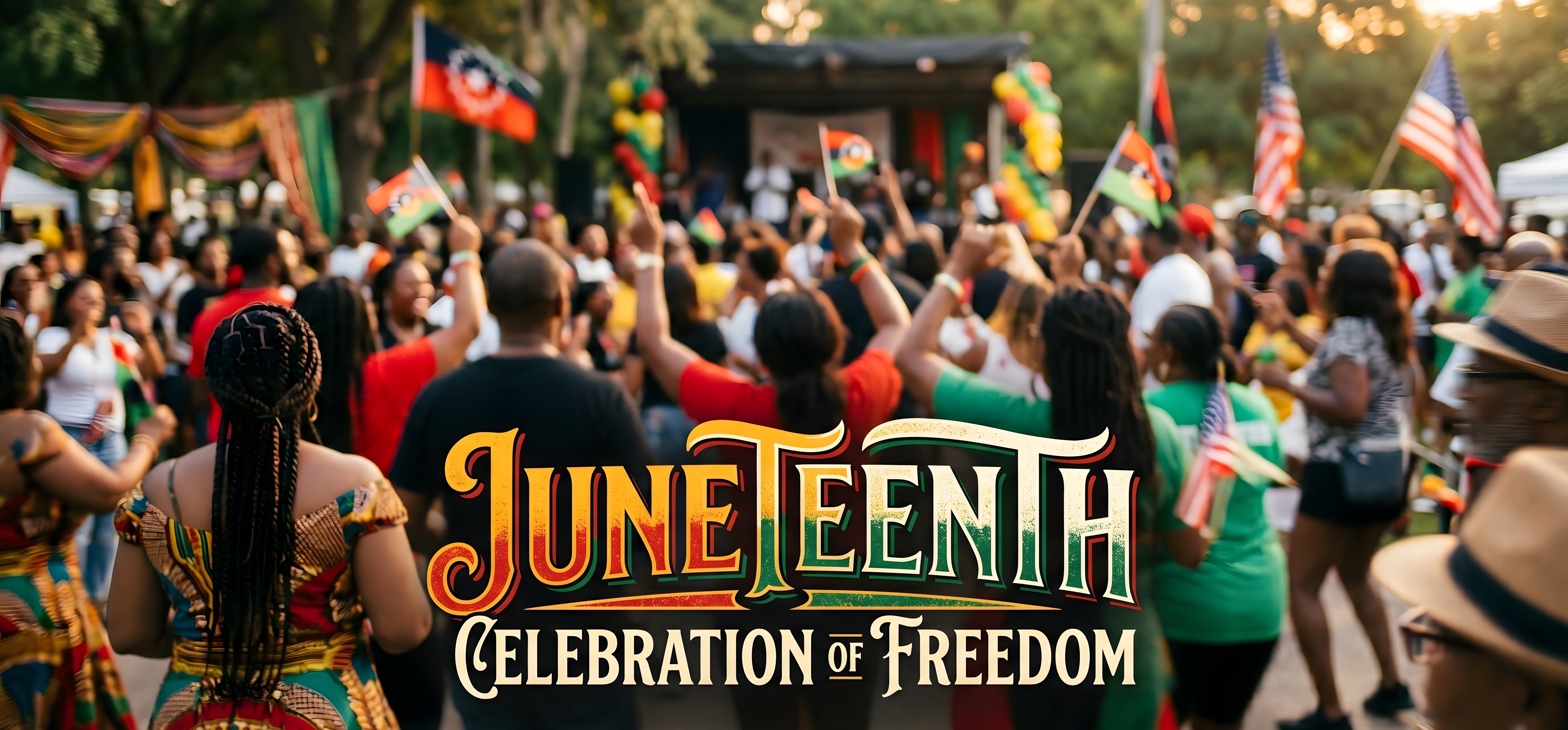
The first reaction was not chaos. It was joy — and movement. People left plantations to search for spouses, children, and parents who had been sold away. They claimed surnames. They held the first Juneteenth gatherings the very next year, in 1866, with prayer, food, music, and testimony. They bought land — including Emancipation Park in Houston — specifically so that Black people would always have a place to gather and celebrate freedom on their own terms.
That impulse — to build our own spaces, to celebrate our own liberation, to refuse erasure — is the same impulse that built Atlanta Black Pride 30 years ago. It is the same impulse that keeps us here today.
Why the day matters
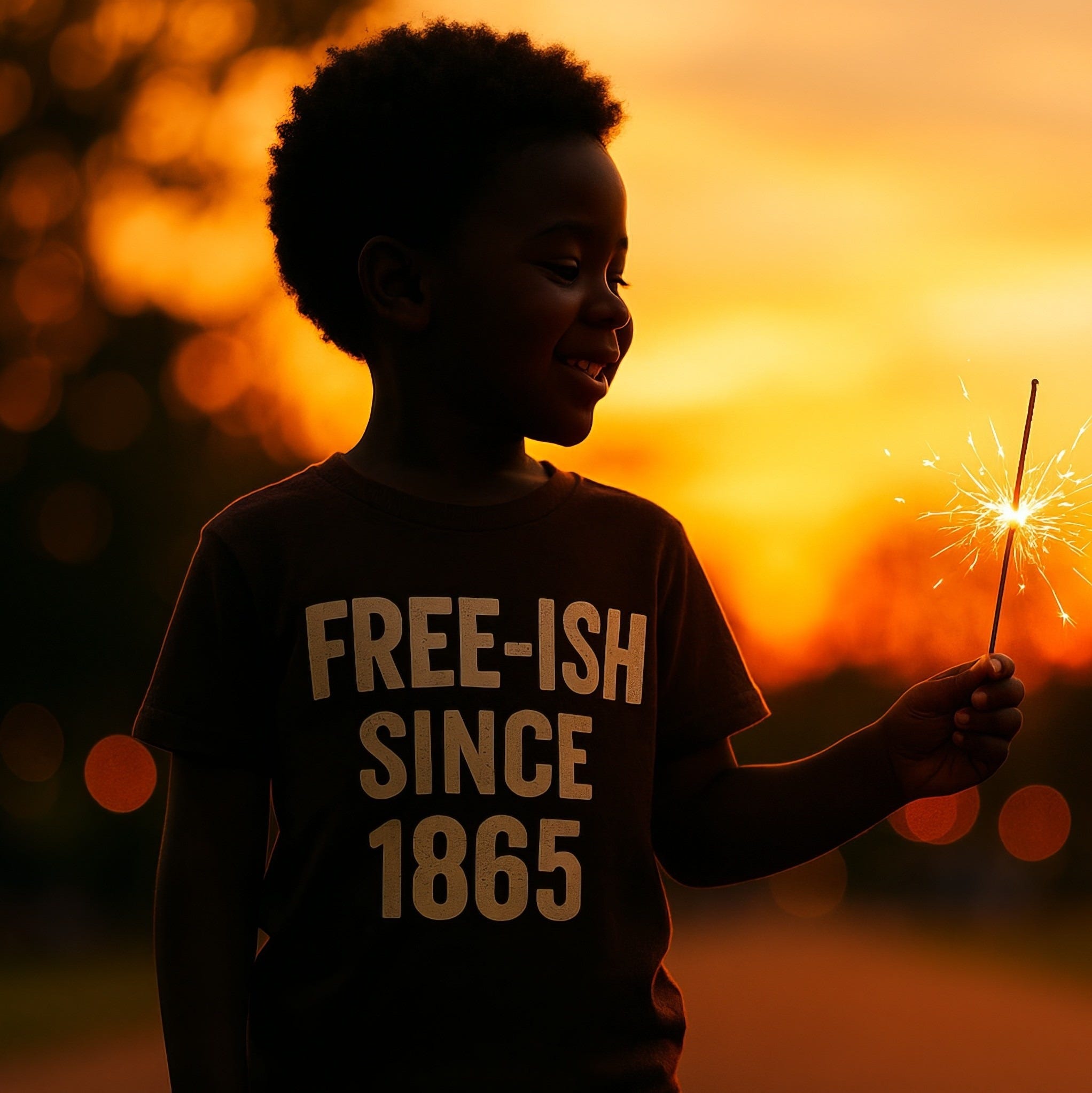
Juneteenth is not the story of freedom granted. It is the story of freedom withheld — and then taken back, claimed, and defended by Black people themselves.
That distinction matters. It reminds us that rights on paper are not the same as rights in practice. It reminds us that the gap between a law and a life can be measured in years, in suffering, in stolen labor and stolen time. And it reminds us that progress is never self-executing. Someone has to ride into Galveston. Someone has to do the work of making freedom real.
We hold this history because it is our history — and because its lesson is not finished.
The current impact on the BIPOC community
The two-and-a-half-year delay between proclamation and liberation was not an accident of slow communication. It was a choice — a decision by those in power to hold on to free labor and Black bodies for as long as they possibly could.
That pattern did not end in 1865. It echoes every time freedom is promised and then quietly withheld:
When the wealth our ancestors built was never returned to the communities that built it, leaving racial wealth gaps that persist generations later.
When the right to vote is affirmed in principle and then chipped away in practice through closed polling places, purged rolls, and new barriers.
When Black history itself is challenged in classrooms and libraries — the very erasure that Juneteenth was meant to overcome.
When the systems meant to protect us — in healthcare, in housing, in policing — deliver outcomes that are anything but free.
For BIPOC communities, Juneteenth is not a museum piece. It is a mirror. It shows us how far we have come, and it refuses to let us pretend the journey is over.
Liberation belongs to all of us
At Atlanta Black Pride, we hold one more truth on this day: freedom that leaves anyone behind is not freedom at all.
Our Black LGBTQ+ family lives at the intersection of these struggles — fighting anti-Blackness and anti-queer hostility at the same time, often from the same systems. The delay between promise and protection is something our community knows intimately. So when we say liberation, we mean collective liberation. We mean trans lives. We mean queer joy. We mean the elders who survived and the young people inheriting the fight. We mean all of us, or none of us.
That is what it means to be Rooted in Struggle, Rising in Liberation — the theme of our 30th anniversary year. For three decades, ABP has been one of those self-made spaces our ancestors fought to build: a place where Black queer people can gather, celebrate, organize, and be free on our own terms.
What we ask of you this Juneteenth
Honoring this day is more than a hashtag. It is a practice.
Learn and tell the truth. Know the history, and pass it on, especially while there are forces working to bury it.
Invest in Black community. Support Black-owned businesses, Black-led organizations, and the people doing the work where you live.
Show up for collective liberation. Defend voting rights. Defend trans lives. Defend our history. None of these fights are separate.
Rise with us. As ABP marks 30 years, we are building toward a freer future — and we need you in it.
Freedom was delayed for our ancestors. They never surrendered it. Neither will we.
Happy Juneteenth, Atlanta. 🖤💛
Atlanta Black Pride has served BIPOC and BIPOC LGBTQ+ communities for 30 years. Join us as we celebrate our anniversary year — Rooted in Struggle, Rising in Liberation. #ABP30